
5 Exercises to Start Today to Prepare for Golf Season
Every spring I see the same thing happen.
Golfers finally get back out on the course after a long winter… and within a few weeks their back hurts, their hips feel tight, or their swing just feels off.
The reason is simple: golf is an explosive rotational sport, and most people go from months of minimal rotation straight into full swings.
The good news is that it doesn't take a complicated program to start preparing your body. Just a few well-chosen exercises can improve mobility, stability, and power so you’re ready when the season starts.
Here are five exercises you can start doing today to prepare your body for golf.
1. Thoracic Spine Rotations
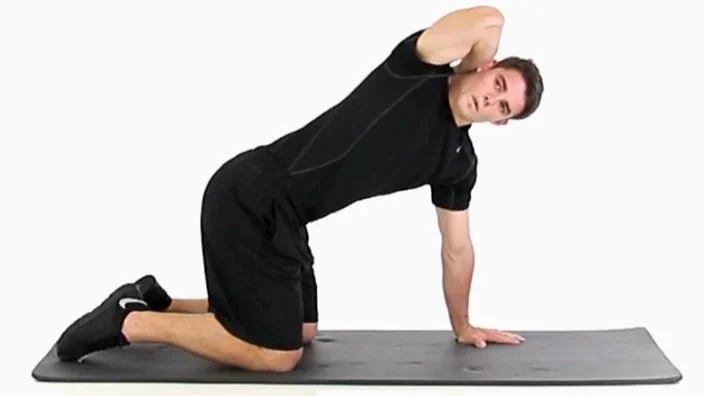
One of the most common limitations in golfers is reduced rotation through the thoracic spine (mid-back). When this area becomes stiff, the body often compensates by over-rotating through the lower back.
That’s a recipe for low back pain.
How to do it
Start on hands and knees.
Place one hand behind your head.
Rotate your elbow up toward the ceiling.
Return slowly and repeat.
Do:
2–3 sets of 8–10 reps per side.
Why it helps golfers
Improving thoracic rotation allows you to create a bigger shoulder turn without stressing your lower back, which can improve both power and consistency.
2. 90/90 Hip Rotations
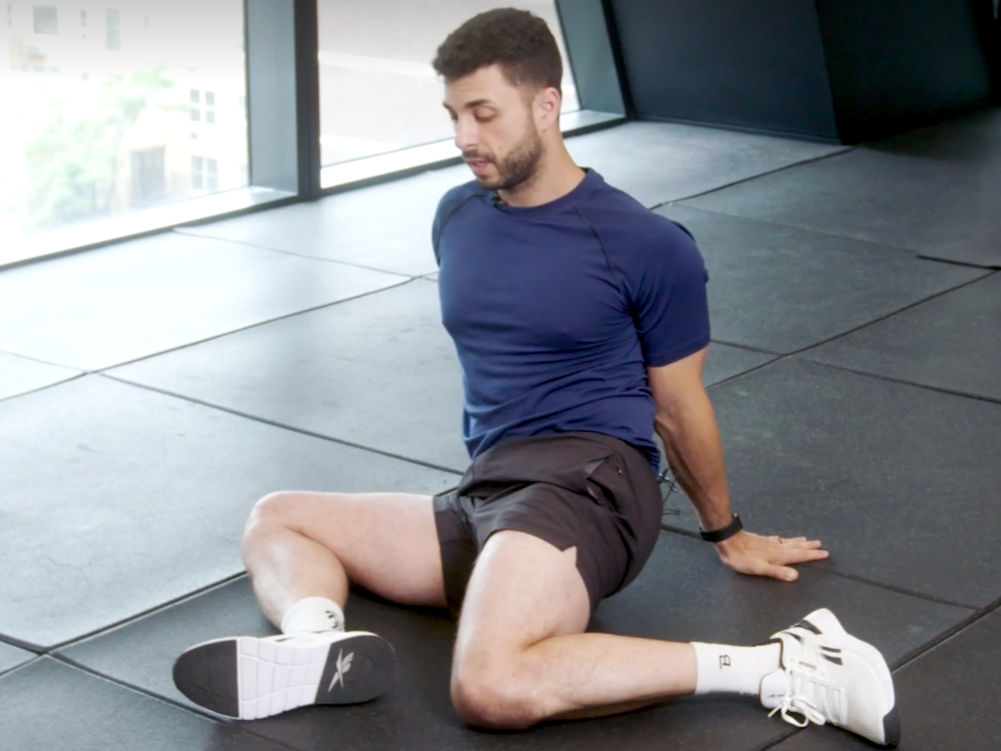
The golf swing requires significant internal and external hip rotation. If your hips are stiff, the body often steals motion from the lumbar spine or knees.
How to do it
Sit with one leg in front at 90° and the other behind at 90°.
Keep your chest tall.
Rotate your legs to the opposite side without using your hands if possible.
Do:
2–3 sets of 6–8 slow reps.
Why it helps golfers
Better hip rotation improves your ability to load into the trail hip and rotate through impact, which is essential for both power and reducing stress on the spine.
3. Glute Bridge
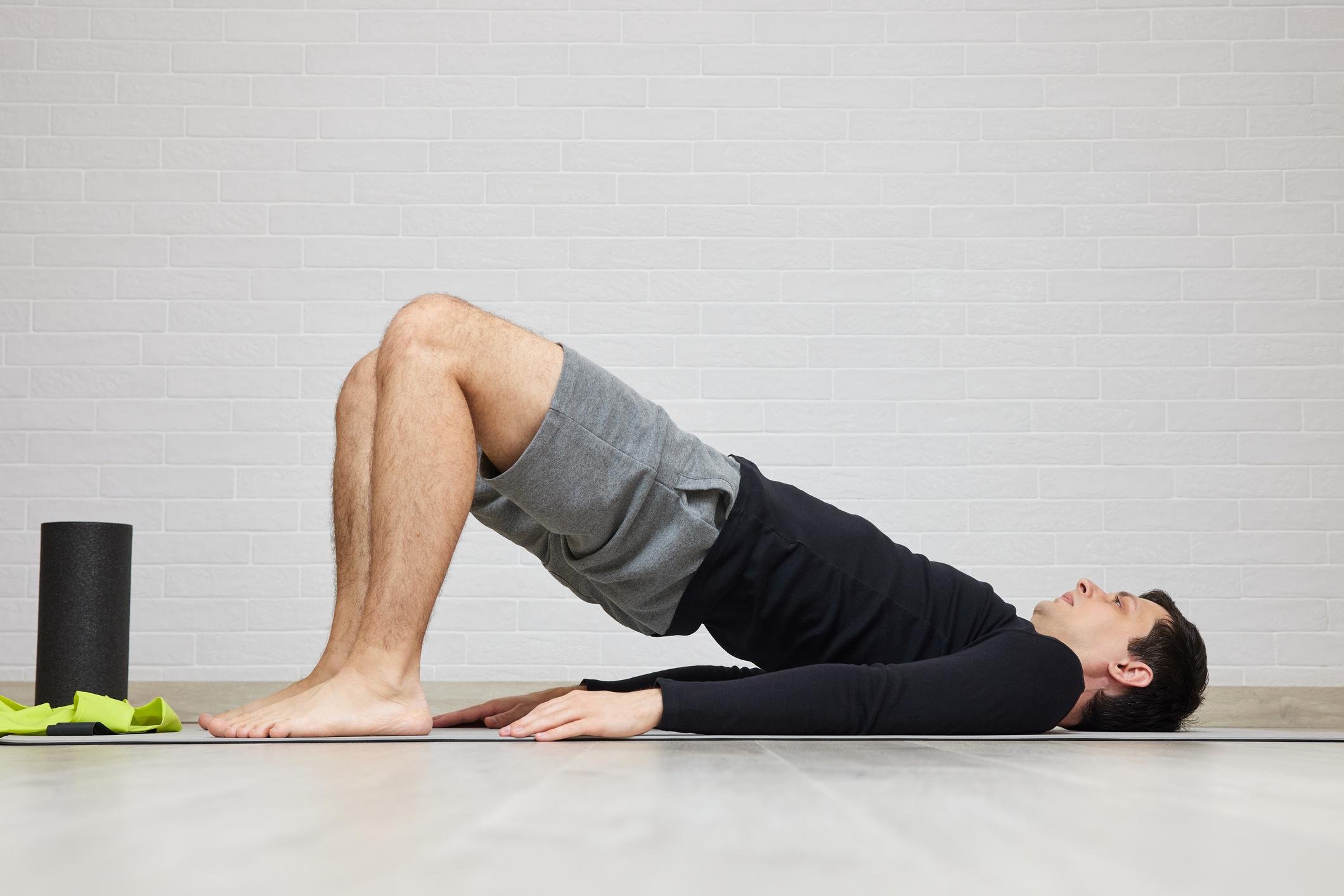
Your glutes are one of the primary engines of the golf swing. Weak glutes often lead to early extension, reduced power, and excess strain on the back.
How to do it
Lie on your back with knees bent.
Drive through your heels.
Lift your hips until your body forms a straight line from shoulders to knees.
Pause briefly at the top.
Do:
3 sets of 10–15 reps.
Why it helps golfers
Strong glutes help you generate force from the ground up, which is critical for distance and protecting your back.
4. Pallof Press (Anti-Rotation Core)
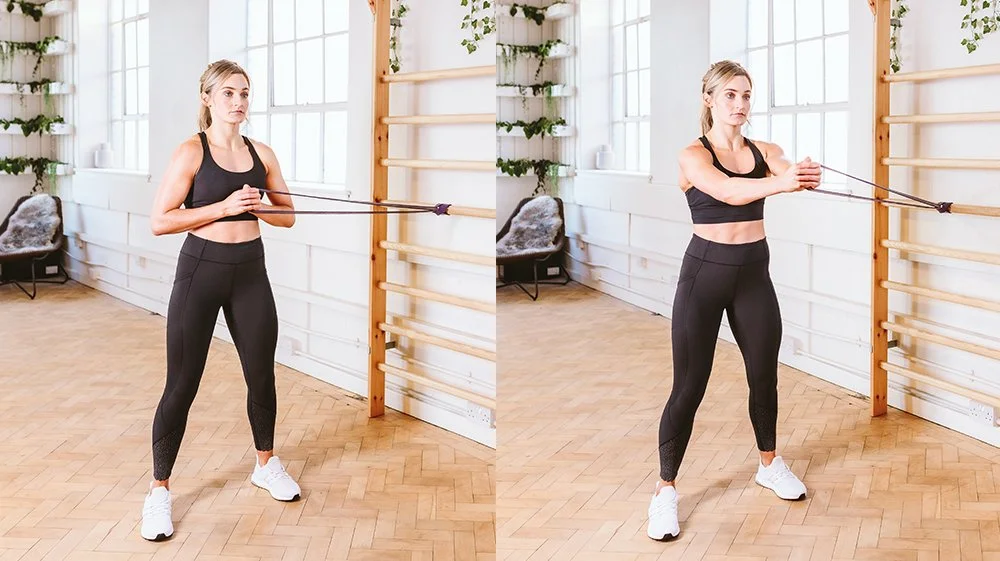
Golf requires powerful rotation, but the core’s main job is actually controlling rotation.
That’s why anti-rotation exercises like the Pallof press are so valuable.
How to do it
Attach a resistance band at chest height.
Stand perpendicular to the band.
Hold the band at your chest and press it straight out.
Resist the pull of the band.
Do:
3 sets of 10–12 reps per side.
Why it helps golfers
This exercise improves core stability during rotation, which can help you transfer power more efficiently through the swing.
5. Split Squats
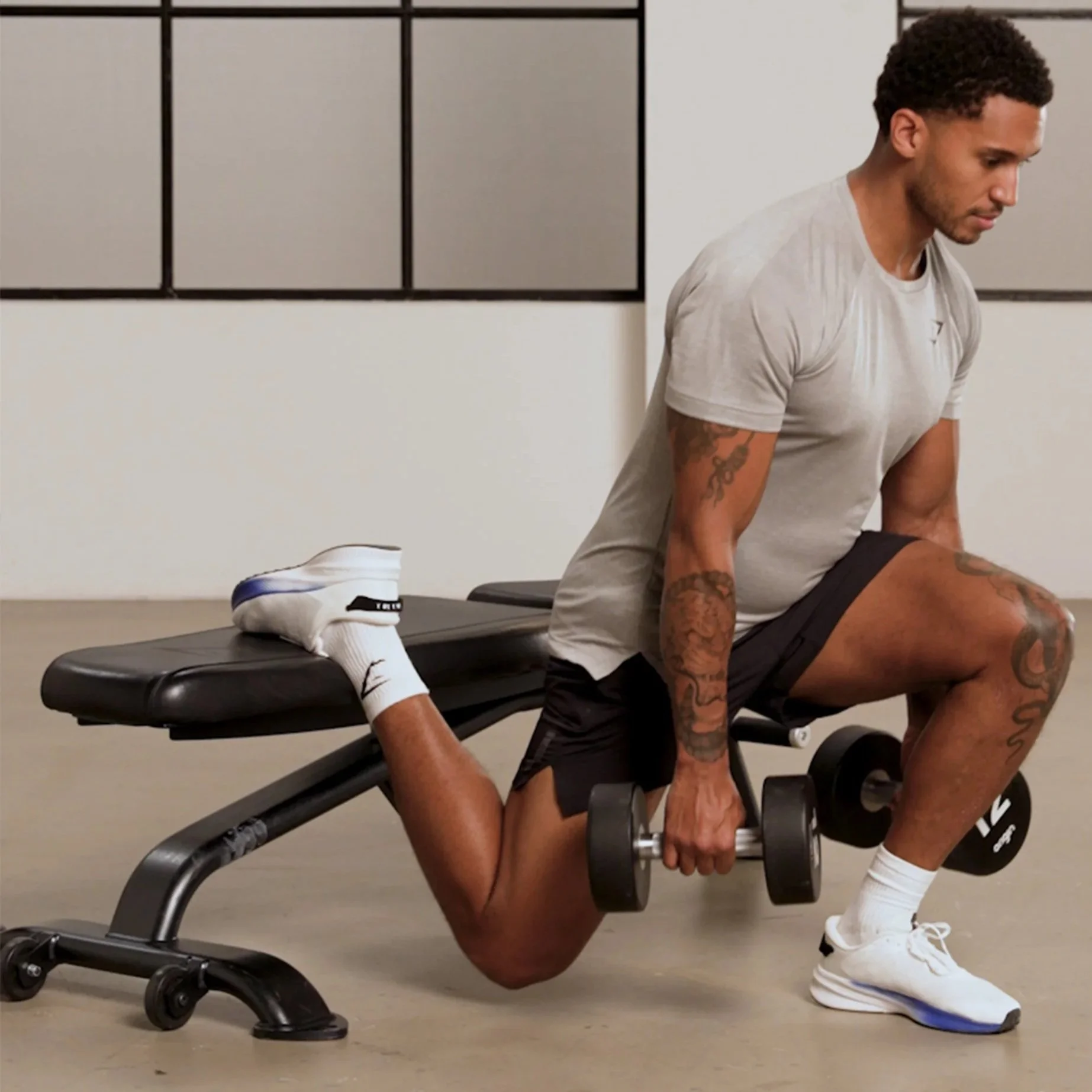
Golf is essentially a rotational movement performed on a split stance. Training one leg at a time helps build the strength and control needed for a stable swing.
How to do it
Step one foot forward and one foot back.
Lower straight down.
Keep your torso tall.
Push through the front foot to stand back up.
Do:
3 sets of 8–10 reps per side.
Why it helps golfers
Split squats build leg strength, balance, and hip stability, all of which contribute to better weight transfer in the swing.
Final Thoughts
You don’t need to overhaul your training routine to prepare for golf season. Just a few targeted exercises can help improve mobility, stability, and power in the areas that matter most for your swing.
If you start incorporating these exercises now, your body will be far more prepared when it’s time to step onto the first tee.
If you want a golf-specific movement screen or individualized program, Back Nine Physical Therapy offers golf performance assessments to help you move better, swing better, and stay pain-free all season.
Medical Disclaimer
The information provided in this article is for educational and informational purposes only and should not be considered medical advice. Participation in any exercise program involves a risk of injury. Always consult with a qualified healthcare professional before beginning a new exercise program, especially if you have a history of injury, pain, or medical conditions. If you experience pain or discomfort while performing any exercise, stop immediately and consult a healthcare provider. Back Nine Physical Therapy & Sports Performance is not responsible for any injuries that may occur as a result of performing the exercises described in this article.
